July 2nd 2025
Understanding Polycystic Ovary Syndrome (PCOS) And The Impact On Skin

Polycystic Ovary Syndrome (PCOS) is a multi-system disease that affects an estimated 5 to 6 million women in the United States with the PCOS Foundation estimating that less than half of women with the condition are actually diagnosed correctly. (1) (2)
The World Health Organization reports that PCOS runs in families, but there are ethnic variations in how PCOS manifests itself and how it affects people. It states further, the prevalence of PCOS is higher among some ethnicities and these groups often experience more complications, in particular related to metabolic problems. (3) These changes can be especially frustrating and can affect self-esteem, but the good news is those with PCOS can take steps to manage symptoms and approve the health and appearance of skin.
In order to have a diagnosis for PCOS you must undergo testing and the presence of at least two out of three the following must be confirmed:
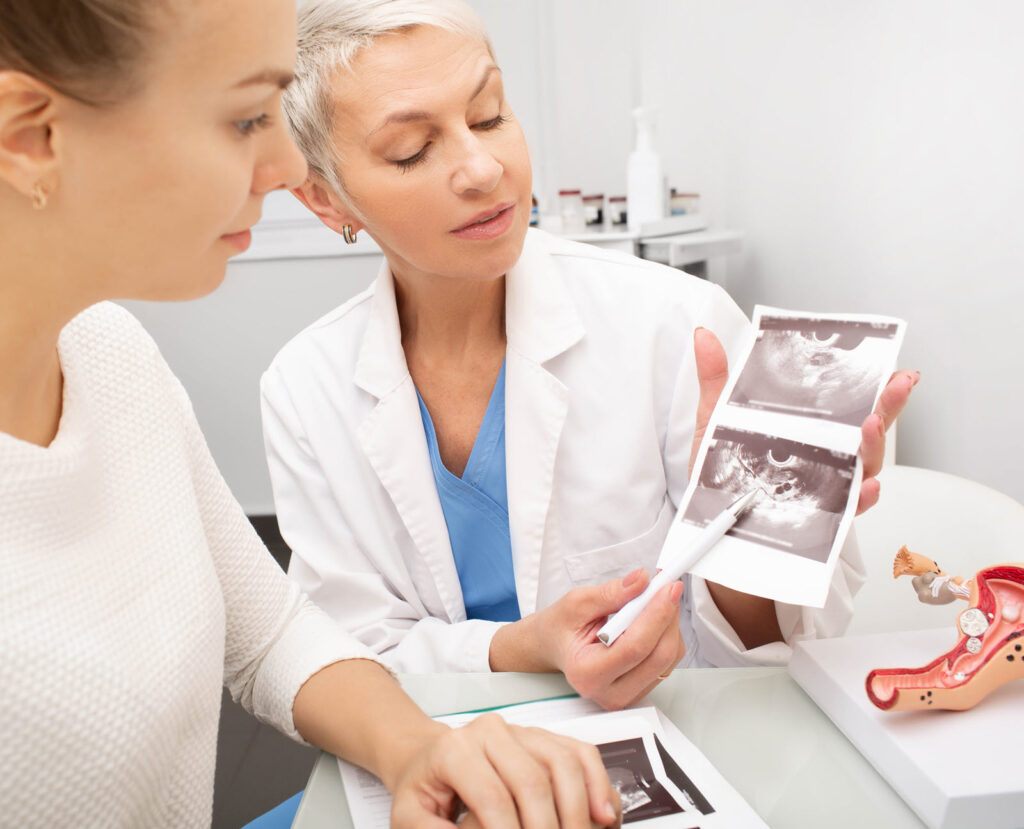
— polycystic ovaries on an ultrasound scan
— signs or symptoms of high androgens could include Hirsutism (unwanted facial or bodily hair), Alopecia (loss of hair from the head / male pattern baldness), Acne (which is deep set cysts or papules), Acrochordons or Skin Tags (small, soft noncancerous growths made of collagen and blood vessels surrounded by skin), or an elevated blood level of testosterone) – after other causes for this have been excluded
— irregular or absent menstrual periods – after other causes for this have been excluded (3)
Other disorders that mimic the clinical features of PCOS should be excluded: thyroid disease, high prolactin levels, and non-classical congenital adrenal hyperplasia. For example, heavy menstrual bleeding could be caused by a range of conditions, such as uterine fibroids, polyps, bleeding disorders, certain medications, or pelvic inflammatory disease, in addition to PCOS. (4)
Blood tests can be used to identify hormone levels, although not all women will have all of these symptoms.
— Testosterone (an ovarian androgen hormone that influences hair growth)
— Oestrogen (an ovarian hormone that stimulates growth of the womb lining (endometrium)
— Luteinising hormone (LH, a pituitary hormone which influences hormone production by the ovaries and is important for normal ovulation)
— Insulin (a hormone that is principally involved in utilization of energy from food)
— Anti-müllerian hormone (which is measures the fertility level of the ovaries) (3)
PCOS testing could also include a glucose tolerance test as women who are diagnosed with PCOS are more at risk for Type II Diabetes, due to the body displaying insulin resistance.
PCOS & Impact On The Skin (And Hair)
Acanthosis Nigricans- a condition that causes dark, thick, velvety patches of skin that can appear on the neck, underarms, groin, and other areas where the skin folds. It’s insulin resistance that contributes to this
Acrochordons or Skin Tags- small, soft noncancerous growths made of collagen and blood vessels surrounded by skin
Hirsutism- excessive hair growth is common and can occur on the face, chest, back and other areas of the body.
Alopecia- also referred to as male patterned baldness
Acne/Oily Skin- acne lesions in those with PCOS are deeper, larger and slower to resolve. Hormonal imbalances that occur with PCOS that can cause an increase of sebum production in the skin, which can lead to clogged pores. With PCOS, there is excess androgens in the body, and this is what leads to excess sebum production. 3/4th of those who have PCOS state that they suffer from acne.
The Medical Team & PCOS Treatment
Because this incurable disease is a multi-system disease, most likely a person who is diagnosed with PCOS will have a team to help manage symptoms that will include a primary care physician, an endocrinologist, an obstetrician-gynecologist (OB/GYN), and a dermatologist or aesthetician. Some of the treatment plans could include:
Combined oral contraceptive pills- lowers testosterone in the system, helping to regulate periods, slow down Hirsutism (excess hair growth), and slows down the production of sebum (which will lesson the severity of acne). Birth control pills contain estrogen and progesterone, which can help regulate menstrual cycles and reduce symptoms of excess androgen production.
Sironolactone (yaz)- compliments birth control pills, however not given to men because of side effects. Improves andronetic alopcia as well as lessons acne, and slows hirsutism. This drug is not safe in pregnancy therefore if you are trying to become pregnant, this is not for you.
Yaz contains 3 mg of the progestin DRSP which has antimineralocorticoid activity, including the potential for hyperkalemia in high-risk patients, comparable to a 25 mg dose of spironolactone.
Sometimes, doctors prescribe Yaz off label for PCOS. With off-label use, doctors prescribe a drug for a purpose other than what it’s approved for. The Food and Drug Administration (FDA) approved Yaz for pregnancy prevention. It’s also approved to treat acne and symptoms of premenstrual dysphoric disorder (PMDD).
Another route a medical team may take is prescription retinoids, or Tretinoin however these are not pregnancy safe.
Clomiphene An oral anti-estrogen medication that helps induce ovulation. It’s often the first treatment recommended for women with PCOS who are trying to get pregnant.
Letrozole A breast cancer treatment that can stimulate the ovaries. An OBGYN may recommend letrozole over clomiphene if the cause of the issue is PCOS.
Metformin A type 2 diabetes medication that can help improve insulin resistance and lower insulin levels. It can also help with weight loss and slow the progression to type 2 diabetes.
Spironolactone An anti-androgen that can treat PCOS and hormonal acne. It works by blocking androgen receptors and decreasing androgen production from the ovaries and adrenal glands.
Eflornithine A topical cream that can treat hirsutism.
Glucagon-like peptide-1 receptor agonists (GLP-1RAs) Can help with metabolic management of PCOS by causing insulin release and reducing appetite.
Topical medications that have been effective in some cases of Acanthosis Nigricans include keratolytics (topical tretinoin 0.05%, ammonium lactate 12% cream, or a combination of the 2) and triple-combination depigmenting cream (tretinoin 0.05%, hydroquinone 4%, fluocinolone acetonide 0.01%) nightly with daily sunscreen. Calcipotriol, podophyllin, urea, adapalene, and salicylic acid also have been reported, with variable results.
Holistic Treatments Your Aesthetician Can Provide
The Avalon Day Spa has several modalities and suggestions to help alleviate symptoms of PCOS that work with the treatment plans set forth by medical teams.
Deep Sea Hiwa Kai Scrub and Black Baltic Mud Ritual- It may be a long service name, but the benefits are very clear. Acne and oily skin are some of the most common symptoms of those who suffer with PCOS, and this service is designed to unclog pores, remove dead skin, and deeply moisturize. The service combines high quality sea salt, Hawaiian lava salt finely milled down and activated charcoal in a blend of exotic oils. This textured scrub from the Pacific Ocean is pure, raw, naturally derived and rich in nutrients for exfoliation. The treatment continues with a wrap of black Baltic mud renown for removing toxins and impurities, while encouraging cell turnover and improving firmness of skin and ends with a application of a moisturizer. The Avalon Day Spa currently offers this 1.5hr treatment at $145.00.
Signature Bacial with Added High Frequency- A bacial is a facial for your back! A hybrid of a skin service with massage elements, the Signature Bacial softens and deep cleanses the skin on the back while providing a deep moisturizing treatment. High Frequency uses a combination of heat and the creation of oxygen molecules, which are toxic to bacteria to help resolve acne lesions while promoting wound healing. Special masks, serums and moisturizers are used to lighten hyperpigmentation from acne, hydrate the skin and prevent further acne lesions. The Avalon Day Spa currently offers this service at $85.00 without the added High Frequency.
Waxing & Sugaring- Hair removal for those with PCOS is considered a temporary option and is mostly done with hard wax. This type of wax is strong and effective for coarse hair, which is common in PCOS-induced hirsutism. Hard wax adheres well to the hair, but not the skin, which reduces the discomfort level associated with waxing. Waxing and sugaring services at The Avalon Day Spa start at just $5.00.
Signature Corrective Facial- This service has modalities that change by client need but can include the following two modalities for PCOS: High Frequency and European Hydration Treatment with a Lucas Championniere Electric Pulverizer. A through consult will help determine the hair removal method for hormonal hair removal on the chin, jawline and lip. As already discussed, High Frequency can assist with hormonal acne and acne lesions. This is also the case of a European Hydration Treatment at the Avalon Day Spa. Our custom blend tonic for this cool steam atomizer uses a blend of Organic Chamomile Water (anti-inflammatory, antioxidant and antibacterial), Thyme (anti-inflammatory, antibacterial), Rosemary (antibacterial, anti-inflammatory, astringent/pore tightening), and Clary Sage (Balances Sebum Production, Anti-Inflammatory). Research has even suggested that Thyme Oil potentially is more effective at killing acne causing bacteria than conventional treatments like Benzoyl Peroxide. Products are specifically chosen for the client’s needs based on ingredient decks that are optimal for powerful same day results yet gentle. The Avalon Day Spa offers this service currently at $85.00 without added hair removal.
Botanical Enzyme Peel- This gentle fruit enzyme peel is blended with papain enzyme, bromelaine enzyme, fig extracts, lactobacillus / pomegranate fruit extract and daisy flower extracts. This is the choice enzyme peel to gently exfoliate, brighten and rejuvenate the skin. This would be a good maintenance solution for someone with PCOS, but I would add Red Light Therapy to the service to help with inflammation in the skin. High levels of androgens have been shown to increase inflammation and this treatment can help with that. The Avalon Day Spa offers this service currently at $85.00.
Key Ingredients & Tips for In-Spa Treatments & Home Care Products- Some of these could include;
Salicylic Acid- a BHA that can help exfoliate, unclog pores, and reduce inflammation. Be careful with this ingredient as it can cause sun sensitivity.
Niacinamide– a form of Vitamin B3, this ingredient can help regulate oil production, reduce inflammation, and improve skin texture
Azelaic Acid- has antibacterial and anti-inflammatory properties and speeds up cellular turnover. This ingredient also helps with acne hyperpigmentation.
Benzoyl Peroxide– a perfect spot treatment solution, this ingredient can target individual pimples
Gel or Water Based Cleansers– Leave out Oil-based or Cream-based cleansers and opt for Gel or Water-based
Exfoliating- by using a gentle, non abrasive physical exfoliant, you can unclog pores and remove dead skin
Home Care Routine – Simple Is Best
Home care should not consist of 20 products, even though you may be tempted to purchase products in hopes of finally being able to relieve PCOS symptoms. With skincare, a lot of times, Less Is More.
Morning-
Double Cleanse– with a gentle, hydrating cleanser
Toner– Organic Rosewater is amazing to naturally adjust your pH while adding nutrients to the skin. Generally, AHA/BHA toners like those containing salicylic acid or glycolic acid are great for oily and acne-prone skin.
Serum- a serum like niacinamide will assist in brightening the skin (acne spots) and controlling oil production while reducing inflammation
Moisturizer- choose a light-weight moisturizer that will not clog pores, think ceramides and peptides
Sunscreen- UVA/UVB rays can worsen hyperpigmentation from acne
Night-
Double Cleanse– with a gentle, hydrating cleanser
Spot Treat– Ingredients like Benzoyl Peroxide and Salicylic Acid will help target pimples
Moisturizer- choose a light-weight moisturizer that will not clog pores, think ceramides and peptides
Once or twice a week, a physical exfoliant at night, after double cleansing will help unclog pores and sweep away dead skin cells.
Beyond Homecare and Spa Care
Lasers- Long-Pulsed Alexandrite Laser Therapy is a type of hair removal that is an effective treatment for hirsutism by targeting the hair follicles with concentrated light energy, leading to hair reduction. Hirsutism, or excessive hair growth, in women with Polycystic Ovary Syndrome (PCOS) can be treated by laser, but the type of laser is chosen by the client’s skin condition and Fitzpatrick. The long-pulsed alexandrite laser used in therapy has a wavelength of 755 nm. This wavelength is specifically chosen for its ability to target melanin in hair follicles. There are many types of lasers on the market including Diode and YAG. Diode lasers, with wavelengths around 800-810nm, are generally effective for deeper skin tones and coarser hair. YAG lasers, with a longer wavelength of 1064nm, can penetrate deeper into the skin, making them safer for deeper skin types and effective on thicker hair. A dermatologist can determine which laser is safe for you.
A nutritionist may tell you that a healthy diet will also help manage symptoms of PCOS, and to avoid processed foods, and reducing or eliminating refined carbohydrates to help manage insulin resistance.
A nutritionist of physician may also suggest supplements such as probiotics that help lower androgen levels, or supplements such as magnesium, Vitamin B12, Myo-Inositol, Omega 3, Vitamin D, and NAC which are all great anti-inflammatories.
Having a medical team and communicating with them is important. Please consult your medical team with any decisions or questions you may have before making any changes for your health.
Research and References
https://www.endocrine.org/patient-engagement/endocrine-library/pcos
http://pennmedicine.org/updates/blogs/fertility-blog/2020/march/five-myths-about-pcos
https://www.who.int/news-room/fact-sheets/detail/polycystic-ovary-syndrome
https://www.princetongym.com/blog/why-polycystic-ovarian-syndrome-is-often-misdiagnosed
https://www.dermatologytimes.com/view/thyme-proves-promising-treating-acne